The Custom Jewelry Manufacturing Process Explained | essentialsjewelry.com

Turning a jewelry idea into a finished product requires expertise, precision, and structured processes. A custom jewelry manufacturer guides brands through every stage of development, ensuring concepts are transformed into high-quality pieces ready for market.
Understanding this process helps businesses maximize efficiency and achieve better outcomes.
Concept and Design Consultation
Every project begins with an idea. This could be a sketch, mood board, digital drawing, or written description. During the initial consultation, the manufacturer evaluates the design’s feasibility, cost implications, and material requirements. Visit here: Custom Jewelry Manufacturer US
Clear communication at this stage is crucial. Factors such as metal choice, gemstone size, clasp mechanisms, and finishing details influence production complexity and pricing.
Some manufacturers offer in-house design teams to help refine concepts and prepare technical specifications.
CAD Modeling and Technical Development
After concept approval, the design is translated into a CAD model. Computer-Aided Design technology creates a detailed 3D representation of the piece.
This stage allows precise adjustments to measurements, weight, and structural integrity. Clients can review realistic renderings and request modifications before production begins.
CAD modeling reduces errors, saves material waste, and ensures structural stability.
Prototyping and Sampling
Before full production, a prototype is created—often using 3D printing or resin casting. This physical sample allows designers to evaluate scale, comfort, weight, and aesthetics.
Adjustments may include modifying prongs, refining engraving details, or improving wearability. Sampling ensures that the final product aligns with expectations.
Approving a prototype significantly reduces production risks.
Casting and Fabrication
Once the sample is approved, production begins. Depending on the design, manufacturers use casting, hand fabrication, or a combination of both.
Molten metal is poured into molds to create the base structure. Skilled artisans then assemble components, set stones, and refine details.
Each step requires precision to ensure durability and visual appeal.
Finishing and Quality Control
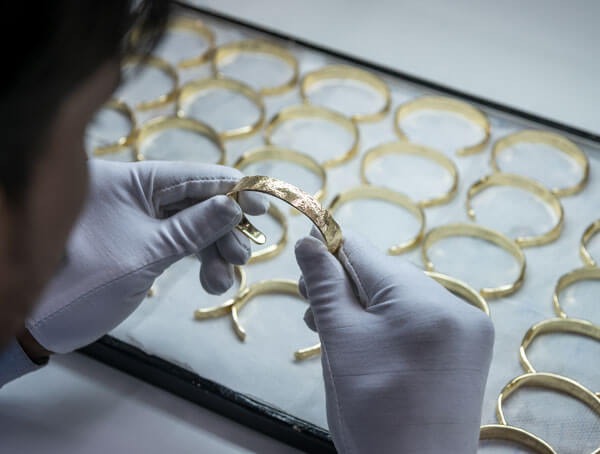
Finishing processes include polishing, plating (such as rhodium or gold plating), engraving, and final cleaning. Quality inspections occur at multiple stages to ensure consistency and craftsmanship.
Strict quality control ensures that stones are securely set, surfaces are smooth, and dimensions match approved specifications.
Packaging and Delivery
Many custom jewelry manufacturers also provide branding services such as custom engraving and bespoke packaging. This integrated approach streamlines the supply chain and enhances brand presentation. Check this out: Custom Jewelry Manufacturer UK
After final approval, pieces are carefully packaged and prepared for distribution.
Conclusion
The custom jewelry manufacturing process combines creativity, technology, and craftsmanship. From initial consultation to final packaging, each stage is designed to ensure precision, quality, and efficiency.
By understanding this process, brands can collaborate more effectively with manufacturers and bring exceptional jewelry collections to life.